Dominican Deputy Handcuffed in Police Operation in Elías Piña; Police Investigating
Legislator Millys Johanna Martínez Morillo was handcuffed during a police operation in Elías Piña. The National Police opened an investigation into the episode.
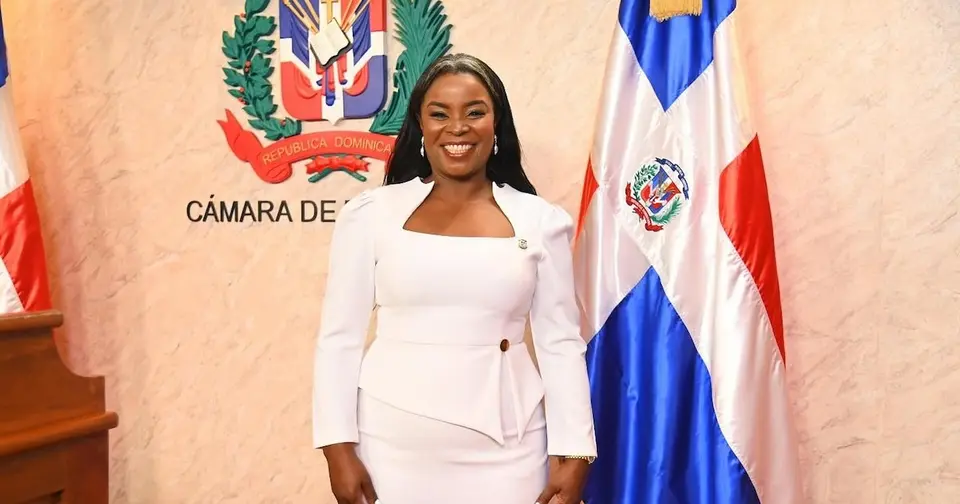
Deputy Handcuffed in Elías Piña Triggers Internal Investigation by National Police
The National Police of the Dominican Republic opened a formal investigation following an episode in which the deputy for Elías Piña, Millys Johanna Martínez Morillo, was handcuffed during a police intervention, according to infobae.com. The case has generated widespread debate over the constitutional guarantees that protect legislators from deprivation of liberty.
The inspector general of the institution, General Martín Tapia Sánchez, was sent to the province on orders from the director general of the Police, Major General Ernesto Rodríguez García. His mandate is to reconstruct the facts, interview those involved, and determine whether there were any disciplinary or criminal responsibilities.
The Intervention and its Circumstances
The operation took place at a fuel station where a party with music and sale of alcoholic beverages was being held. The Police indicated that the establishment lacked the corresponding permits, according to the Dominican newspaper Hoy.
Martínez was already heard at her residence, and Tapia Sánchez was scheduled to meet with the mayor, the governor, and the agents who participated in the operation. Police spokesperson Diego Pesqueira stated to Listín Diario that the legislator was not arrested and that it is still being investigated who placed the handcuffs on her.
The Constitutional Framework in Question
The Constitution of the Dominican Republic establishes in Article 86 that no senator or deputy can be deprived of their liberty during a legislature without authorisation from the chamber to which they belong, unless they are detained at the moment of committing a crime.
If a legislator is arrested or detained, the corresponding chamber—even one of its members—can demand their release during the legislative period. The president of the Senate or Chamber of Deputies can request the intervention of the attorney general of the Republic and, if necessary, directly order the release with the support of public force.
Article 87 clarifies that this protection does not constitute a personal privilege of the legislator, but rather a prerogative of the chamber to which they belong. In the face of a judicial request to withdraw that protection, the legislative body must resolve the request in accordance with its internal regulations within a maximum period of two months.
Reactions from the Chamber of Deputies
The president of the Chamber of Deputies, Alfredo Pacheco, condemned what he characterised as an assault against Martínez and argued that she was handcuffed during an attempted arrest by Colonel De León. Pacheco also recalled that the constitutional exception only applies in the event of a flagrant crime.
"Respect for the Constitution and the guarantees that protect the exercise of legislative function must prevail in all actions by the authorities," Pacheco stated.
Eugenio Cedeño Areche, deputy of the Modern Revolutionary Party for La Romana, considered it unacceptable that an officer handcuffed and detained a representative of Congress without there being any flagrant crime. The legislator, who stated he had completed five terms in the Chamber, declared that he had never witnessed an occurrence of that nature.
Cedeño proposed that the Chamber form a bicameral commission to investigate the case, establish responsibilities, and seek sanctions for the agents involved.
The Police Expects to Complete the Interviews
Pesqueira indicated that the institution will not offer a definitive version until completing the interviews and work in Elías Piña. If it is proven that any agent incurred in excesses, he assured that they will be submitted to the corresponding jurisdiction and will receive the sanctions provided for by police regulations.
Source: Google News DO — Crime