Jury finds man guilty of slitting another's throat on Valencia bridge
The jury unanimously convicted the accused in the murder on the Puente de las Moreras on 30 July 2024. The prosecution is seeking 20 years in prison.
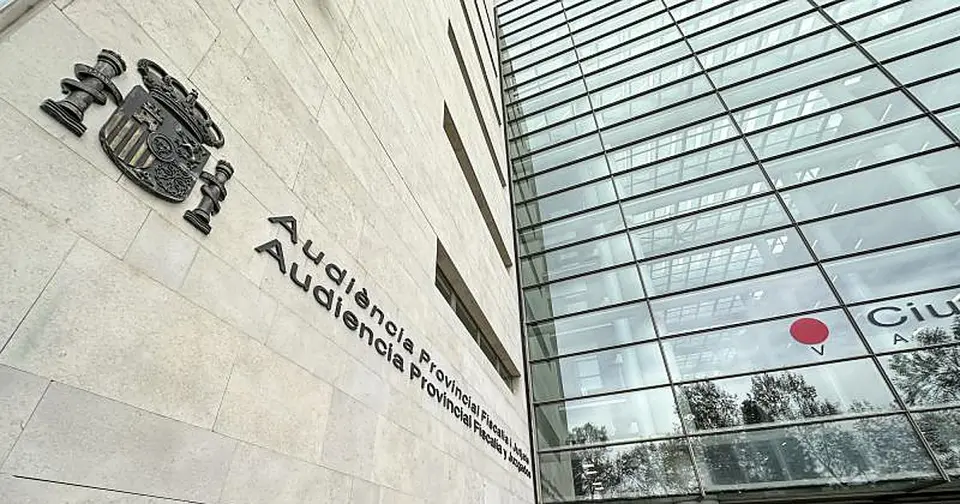
Unanimous verdict in the murder on the Puente de las Moreras
A jury has unanimously found guilty the man accused of slitting another's throat with a knife on the Puente de las Moreras in Valencia on 30 July 2024, according to judicial sources cited by ABC.
The court found it proved that the accused acted with full mental capacity at the time of the crime, thereby rejecting the main argument of the defence, which maintained that the defendant suffered from an impairment of his mental faculties.
The attack and the victim's flight
An eyewitness testified during the trial that the accused stabbed the victim in an initial assault, after which the injured man attempted to flee. The attacker pursued him and attacked him a second time, causing his death through a wound to the neck.
The oral hearing took place over several days in the Valencia Provincial Court, concluding last week with the jury's deliberation.
Request for sentence and private prosecution
The Public Prosecution Service had requested in its provisional charges document a sentence of 20 years in prison for the crime of murder. The private prosecution, representing the victim's family, presented a separate charge with its own requests.
The jury's verdict constitutes the preliminary step to the final sentence, which will be handed down by the judge-president of the Provincial Court. The exact sentence will be determined in that ruling, which must comply with the guilty verdict issued by the nine citizens who formed the court.
Context: the jury in violent crimes
In Spain, the Jury Statute of 1995 gives citizens selected by lot the authority to judge homicide and murder offences. The jury determines the established facts and the verdict of guilty or not guilty, while the determination of the specific sentence falls to the professional judge. In cases where the defence claims mental disorder, as occurred in this proceeding, the jury also evaluates whether that circumstance was proven, with the burden of proof falling on the party invoking it.
Source: ABC