Puerto Hurraco massacre: 36 years on from the killing of nine people by 202 bullets
In August 1990, the Izquierdo brothers opened fire in a hamlet in Badajoz and killed nine people, including two girls. Three decades later, the town still bears that shadow.
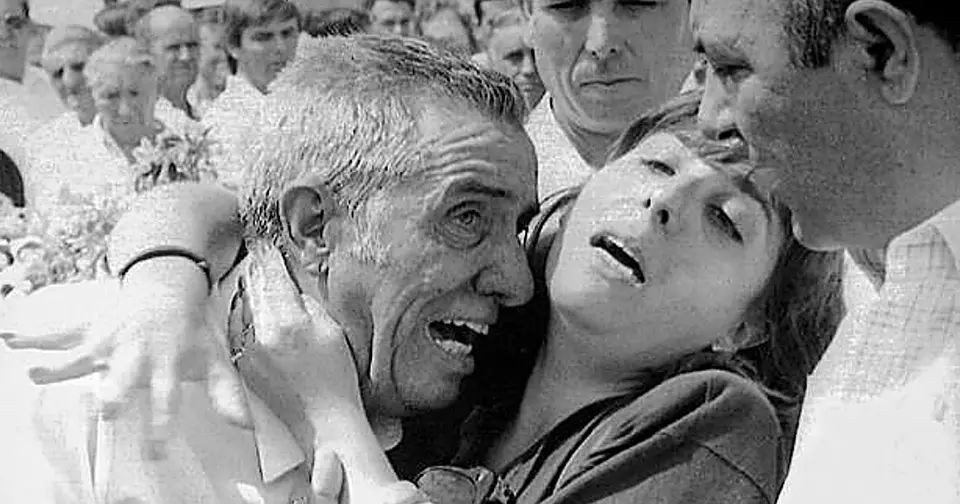
Thirty-six years since the Puerto Hurraco massacre: 202 bullets, nine dead and hatred cultivated over decades
It was 22:00 on 26 August 1990 when Antonio and Emilio Izquierdo arrived in Puerto Hurraco, a small hamlet in the province of Badajoz with barely a hundred inhabitants. They had left home on the pretext of "hunting doves". According to ABC, the neighbours who that night were taking the air near the Cabanillas family's house could never have imagined what was about to occur.
The two brothers were carrying weapons and ammunition for 202 bullets. A single objective: to cause maximum damage to a family and a town that they hated. They opened fire indiscriminately and ended the lives of nine people, including two sisters aged 13 and 14, Encarnación and Antonia Cabanillas. Hours later they were detained whilst resting under a tree in the countryside. They showed no remorse whatsoever. "I have already avenged my mother's death. Now let the town suffer," Antonio Izquierdo declared to the officer who arrested him.
A land dispute that became bloodlust
The origins of the tragedy reach back decades. Criminologist Enrique Díez de Baldeón places the case within a common pattern in rural settings, where economic conflicts and disputes over boundaries fuel "old grudges never overcome" for years that lead to a "pathological and visceral desire for revenge".
In Puerto Hurraco, the trigger was Amadeo Cabanillas's rejection of marriage to Luciana Izquierdo. His brother Jerónimo could not accept it and ended up stabbing Amadeo to death in 1967. The wound did not heal. In 1984, a fire at the Izquierdo house claimed the life of Isabel, the matriarch of the family. The cause of the fire was never established judicially, but the Izquierdos always blamed the Cabanillas. Two years later, in 1986, Jerónimo, recently released from prison, attempted to murder Antonio Cabanillas, who survived with several stab wounds. Jerónimo was then admitted to a psychiatric institution, where he died.
The hatred, far from diminishing, continued to grow. Until the summer of 1990.
"An uncontrollable maelstrom of violence"
Antonio and Emilio armed themselves to the teeth and presented themselves in the town. The first shots were at close range against the two Cabanillas sisters, aged 13 and 14. The "revenge" was not limited to those who had featured in the ancient disputes: it encompassed anyone who crossed their path. Díez de Baldeón describes it as "an uncontrollable maelstrom of violence between victims and perpetrators" and "one of the darkest pages in rural Spain". In his analysis, the criminologist points out that in Puerto Hurraco "the land, the boundaries and hatred between families" ultimately formed a bloody and explosive cocktail.
Convictions, deaths in prison and acquittals
The Izquierdo brothers were sentenced to lengthy prison terms. Emilio died behind bars in 2006; Antonio took his own life in 2010. Their sisters Luciana and Ángela, pointed to during the trial as possible instigators, were acquitted, although they remained interned in the psychiatric hospital in Mérida for years. Both died in 2005.
At trial, Emilio showed no remorse. He stated that Puerto Hurraco "was a bad town" and that "finally, mother is avenged". Antonio had been equally explicit with the officers who arrested him. Guillermo Fernández Vara, former president of the Junta de Extremadura and forensic expert in charge of the case—who died last year—always conveyed the same conclusion about the perpetrators: "They were aware of the consequences".
Silence as a defence mechanism
Puerto Hurraco could never fully shake off that label. The town opted for silence, an attitude that persists to this day. According to Díez de Baldeón, this collective silence did not contribute to forgetting, but rather became "a mechanism of self-protection and hermeticism" in the face of a trauma that left "unfathomable consequences". The criminologist relates this response to "dissociative amnesia or psychogenic amnesia", a reaction documented in communities that have suffered episodes of extreme violence.
Thirty-six years after that August night, the shadow of the 202 bullets continues to loom over the small hamlet in the province of Badajoz.
Source: ABC