Death of architect in Baqueira: investigators probe 36-hour gap before discovery
A judge attempts to reconstruct the day and a half in which architect Josep Juanpere was alone with his partner in a station apartment. Belén L., detained on suspicion of homicide, did not call emergency services.
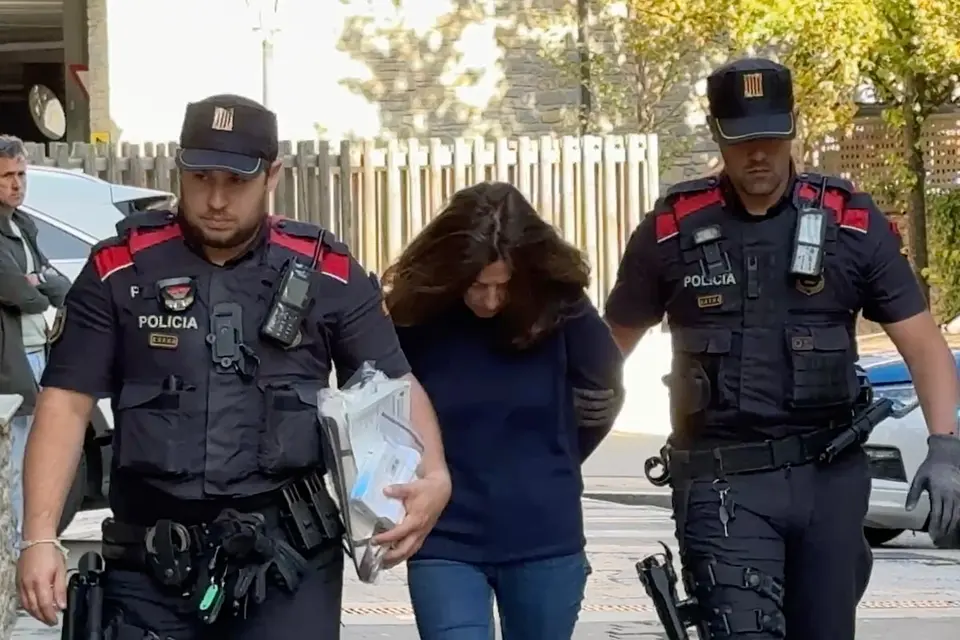
Investigation focuses on final hours before death
Josep Juanpere, a 73-year-old architect and co-founder of design studio GCA Architects, died between 3pm and 9pm on 26 December in Baqueira. According to El País, his death was initially classified as natural, but on 23 September it emerged as a possible homicide following the detention of his romantic partner, Belén L., a member of a Madrid jet-set family. The judge overseeing the case is attempting to reconstruct the nearly 36 hours during which both were isolated in an apartment at the foot of the piste.
Juanpere was a prominent Barcelona-based professional with strong connections in the city. His studio designed public and private buildings, including an affordable housing development in Poblenou visited by Pedro Sánchez last Monday. He was described as extroverted, meticulous and extremely active: a member of the Barcelona Tennis Club, a mountain biker, a competitive skier and a enthusiast of heli-skiing in Canada. He was in good health despite a scare with COVID in 2022 that left him hospitalised for two weeks.
Belén and Josep began their relationship in 2023 with occasional dinners that evolved into shared weekends. Both maintained separate residences: hers in Madrid, his in Barcelona. That summer they undertook their first long sailing trip aboard the Xidaby, which Juanpere had acquired three decades earlier. In 2024 they sailed for a full month and last year the logbook reached 50 days. They also travelled together to Japan on a trip organised by the Macba Foundation.
Christmas Eve night began with incidents. While dining in the apartment with Belén and his nephew, Juanpere complained of stomach pain and withdrew to rest. Shortly afterwards he got up, felt dizzy and fell, hitting his head on a radiator. He suffered a cut and began vomiting. They went to Vielha hospital, where after examination he was discharged, although Belén objected. She argued that he could not be left unattended and rented three adjoining hotel rooms: one for the couple, another for the nephew and a third occupied by a nurse friend of his. They spent the night and on Christmas Day Juanpere showered, said he felt better and wanted to return to the apartment, although the vomiting continued.
From that moment a critical information gap opens for the investigation. They exchanged some messages, but contact disappeared and the couple's phones, silenced, did not respond. The forensic report indicates that death occurred between 3pm and 9pm on 26 December, the feast of Sant Esteve in Catalonia. This is the time interval the judge is attempting to reconstruct to determine why his partner, who had studied alternative therapies for years, did not call 112 to alert someone to a deterioration, nor subsequently allowed anyone to enter the flat.
According to a report from the Mossos d'Esquadra, Belén L. stated: "she was embracing Juanpere and did not notice at any moment that he was dying". However, the judge is examining this statement in light of Juanpere's good physical condition and the circumstances of the confinement. On the night of 26 December, Juanpere's nephew, disturbed by the lack of contact, managed to access the apartment after maintenance staff opened the door using the radiography method. The nephew's key did not work because another key was placed inside.
Upon entering, accompanied by three friends, he heard an exclamation recorded in the judicial order. Belén L. tried to prevent them from entering the bedroom, telling them: "Get out, get out, go away", without success. They called emergency services, who performed resuscitation manoeuvres for half an hour only at her insistence. However, the services observed that the body was rigid and cold. The manoeuvres only succeeded in causing the body to expel a brownish and foul-smelling liquid, according to the police report incorporated into the judicial case file.
Source: El País