Crete: 20 arrested for fraud in OPEKEPE transferred to European Public Prosecutor's Office
Twenty people from Rethymno, Heraklion and Lasithi have been arrested for unlawful subsidies via fictitious declarations, with damage estimated at over €3 million.
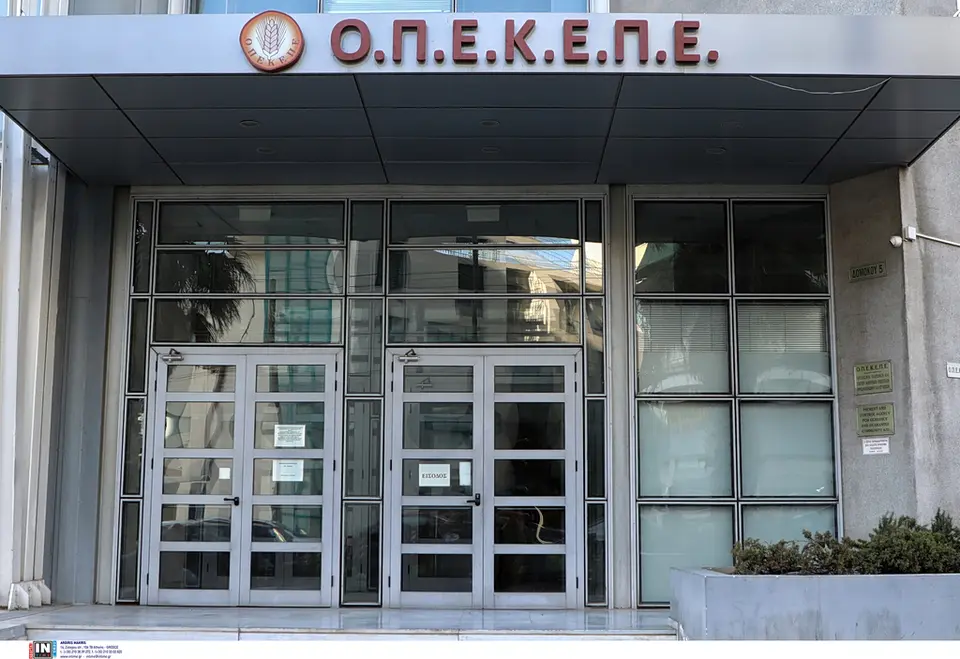
Transfer to Athens for fraudulent subsidy scheme in OPEKEPE
Twenty people arrested in Heraklion in connection with a case of unlawful subsidies via false or fictitious declarations are being transferred today, 25 May, to the offices of the European Public Prosecutor's Office in Athens, according to Ta Nea.
The arrested individuals are from Rethymno, Heraklion and Lasithi. Among them are two accountants, three heads of Declaration Reception Centres (KYD), as well as an acting deputy mayor, according to local media reports.
The organised group is alleged to have submitted unlawful declarations to OPEKEPE with the aim of obtaining subsidies, causing damage to the state estimated to exceed €3 million.
Defence counsel Georgios Kokosalis stated to local media that "all 20 who have been brought in and arrested will be transferred to the European Public Prosecutor's Office", emphasising that the Court of First Instance Prosecutor's Office in Heraklion does not have jurisdiction in the case. The preliminary investigation is being conducted by the Directorate for Combating Organised Crime following an order from the European Prosecutor, whilst the charges are expected to be elevated to the level of felony.
Kokosalis criticised the manner in which the operation was conducted, arguing that the accused are permanent residents and known to the authorities, and that there was no flight risk, given that the case has been under investigation for some time.
According to him, the investigations cover the period from 2019 onwards due to statutory limitations, whilst the case file is still at an early stage and is expected to be handed over to counsel in electronic form.
Source: Ta Nea