Marfin: The evidence and photographs that led to the identification of those arrested
A Counter-Terrorism investigation into explosives in 2020 proved decisive in solving the 2010 Marfin attack. Digital analysis and artificial intelligence connected holiday photographs with material from the crime.
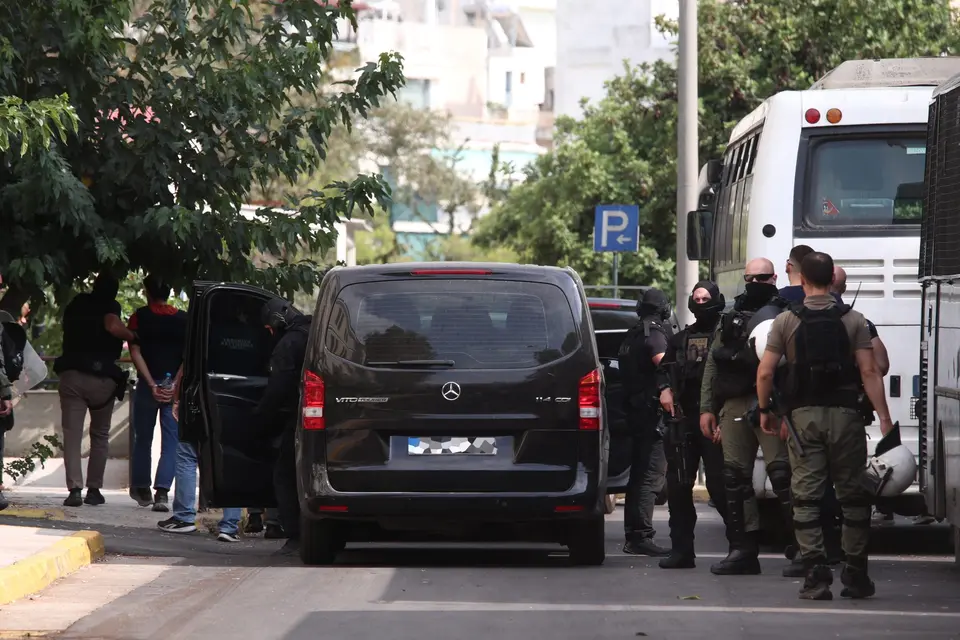
Marfin: The evidence and photographs that led to the identification of those arrested
An explosives case investigated by the Counter-Terrorism unit in 2020 appears to have been the key to clarifying the fatal firebombing attack on the Marfin bank branch, which occurred sixteen years ago.
According to the authorities' assessment, the attack that cost the lives of three employees was not an isolated incident but a well-organised operation. A total of twelve people, divided into two groups, are alleged to have participated, with separate roles between those who carried out the strike and those who coordinated it.
Officers from the Homicide Divisions requested material from all Police (EL.AS) services relating to cases involving individuals from the anti-establishment movement. They conducted specialised and comparative examinations, using modern methods of digital analysis with artificial intelligence.
The decisive finding came from an investigation into a warehouse in Koukaki, where explosives, timers, detonators and bullets had been found. The premises had been rented by a known anti-establishment activist who had been arrested at the time. During a search of his home, digital material was found containing photographs and videos from a holiday in 2009, featuring two men and one woman.
The audiovisual material from the initial 2010 investigation could not be adequately analysed at that time. However, with modern technology and comparison with an email message that arrived last year at the Greek FBI, identification was made. Specialised software established that the same individuals appeared both in the holiday photographs and in material from the Marfin attack, wearing the same clothes or accessories.
Specifically, one of the two 42-year-old arrested men possessed a rucksack of a particular type with three painted stars drawn on it, which was also recognised in images from the bank. The second 42-year-old is alleged to have been in the Amerikis Square area issuing instructions. The third suspect, a 46-year-old woman who has been living in the United Kingdom for the past seven years, appears in a photograph next to a shop window in a role supporting the perpetrators.
In the original material the perpetrators had covered faces and the police images were blurry. Witnesses at the time had given them numbers, such as "number 8 breaks the glass", "number 10 throws the Molotov cocktail" and "number 11 gives instructions". Modern analysis connected these numbers to specific individuals.
Source: ERT