Death of Fakir in Bologna, drugs identified as primary cause by consultants
Acute cocaine intoxication was identified as the primary cause of death of Abderrahim Fakir during a police intervention at Pilastro. The prone position is considered a contributing factor of minor significance by the prosecution's experts.
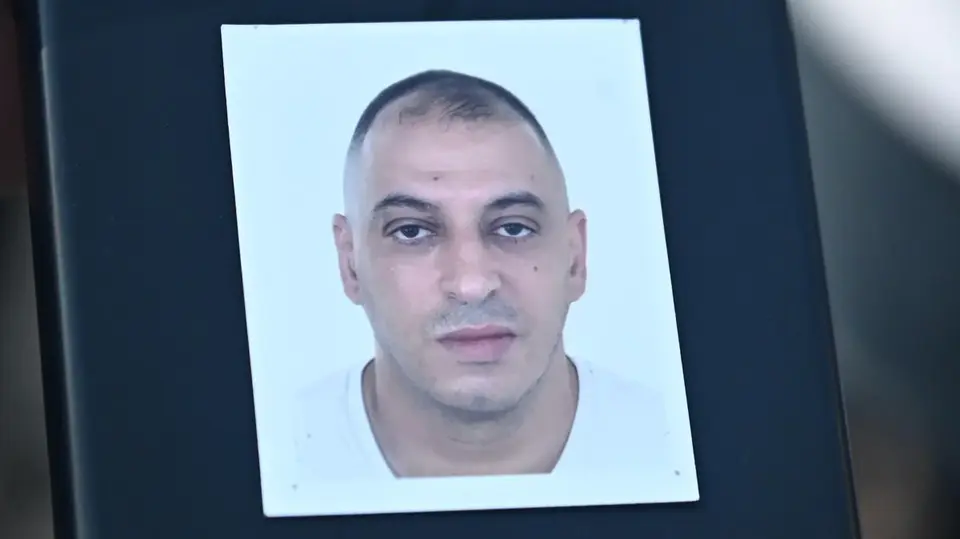
Drugs as primary cause of death
According to ilrestodelcarlino.it, consultants for the Bologna public prosecutor's office have concluded that the primary cause of death of Abderrahim Fakir, who died on 19 July during a police intervention, was acute cocaine intoxication. Fakir's clinical picture "appears consistent with a respiratory compromise primarily attributable to extensive alveolar haemorrhage related to acute cocaine intoxication", capable of causing alterations in the ventilation-perfusion ratio with resulting hypoxic state, the experts explain.
The role of psychomotor agitation
On this condition of respiratory compromise, prosecution experts emphasise, acted "intense psychomotor agitation and hyperthermia, always related to the substance of abuse". These factors increased the 42-year-old's systemic oxygen consumption and ventilatory demand. The combination of these elements accelerated the deterioration of Fakir's physical condition during the intervention at Pilastro.
The prone position as a secondary factor
The time spent in a prone position with upper limbs immobilised behind the back was considered by the experts "a further contributing factor of likely minor significance". The experts emphasised that the individual remained in this position for approximately 6 minutes and 27 seconds and that it was not "autonomously lethal". However, the position could have "reduced the ventilatory reserve and therefore the capacity to cope with increased metabolic demands in a subject whose cardiorespiratory reserve was already compromised".
The experts' report
The report was prepared by medical examiner Valentina Bugelli, anaesthetist Manuela Bonizzoli, toxicologist Luca Morini and cardiac pathologist Cristina Basso. The document will be at the centre of a meeting between the public prosecutors directing the investigation, opened for manslaughter against a model 45-bis in relation to the two police officers and four Red Cross operators who intervened. Deputy prosecutors Morena Plazzi, Francesca Arienti and Domenico Ambrosino must assess how the elements that emerged contributed to determining the fatal respiratory failure and decide the distribution of responsibilities.
Procedural concerns
The prosecutors' consultants identified "concerns regarding the conduct of the rescue personnel and the healthcare personnel who subsequently intervened, as these were not consistent with healthcare emergency protocols, neither in terms of timeliness nor in terms of the effectiveness of the manoeuvres themselves". However, the experts emphasised that "even in the event of a timely and correctly executed intervention, Abderrahim's chances of survival would have been around 15%".
The defence's counter-response
Fabio Anselmo, the lawyer assisting the 42-year-old's relatives, stated that the public prosecutor's consultants "were unable to exclude the contributory role of the prone position imposed on poor Fakir in his death". He also announced that Professor Vittorio Fineschi, consultant for the defence, will prepare his own report taking into account "the stark discrepancy between what was argued at the concluding meeting and what was written in the consultation". The report will be filed with the Public Prosecutor's Office of Bologna in the coming days.
Source: Google News IT — Crime (it)