PSP records over 54,000 crimes against the elderly in three years
Over the past three years, the PSP recorded over 54,000 crimes committed against the elderly. The GNR launched Operation Senior Census to raise awareness among the elderly population about safety behaviour.
PSP records over 54,000 crimes against the elderly in three years
The PSP counted, over the past three years, over 54,000 crimes committed against elderly people. The most frequent offences include fraud, various thefts and domestic violence. According to data reported by Correio da Manhã, around five thousand two hundred theft complaints were registered, around five thousand instances of fraud and more than five thousand five hundred cases of domestic violence. Theft by pickpockets has been increasing since last year.
During the summer, the PSP identified 461 elderly people in situations of vulnerability, of which 294 were at risk. The GNR, meanwhile, counted, between January and August, 4,545 thefts against the elderly, 2,720 instances of fraud and 417 robberies.
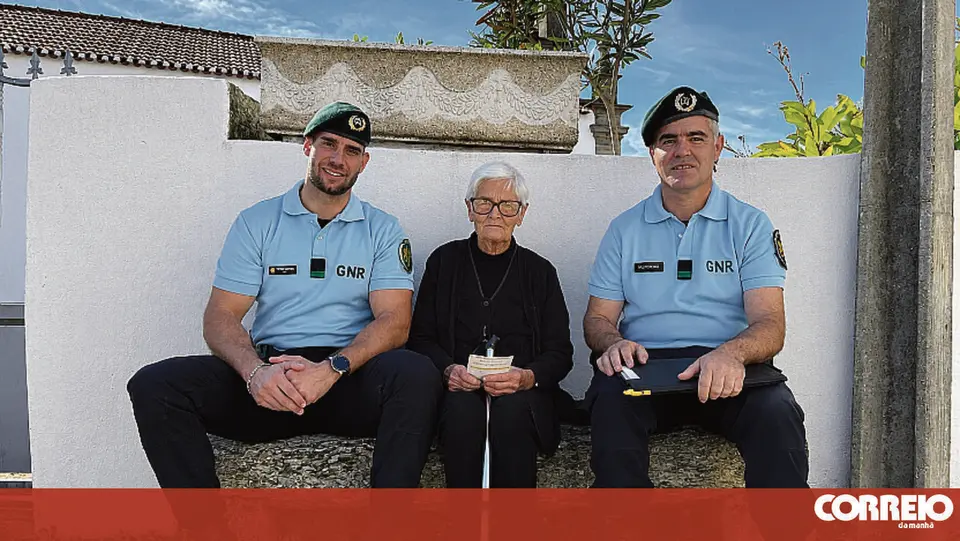
On International Day of the Elderly, the GNR launched Operation Senior Census 2026. The initiative aims to alert older citizens to preventive measures in dangerous situations. In Agrobom, in the municipality of Alfândega da Fé, the presence of military personnel is already viewed favourably by the community. Joaquina Almeida, 89 years old, told CM that she is pleased when she sees the patrols and hopes they will stop those who commit wrongdoing.
João Ribeiro, commander of the GNR post in Torre de Moncorvo, stressed that the security force seeks to provide advice and alerts, given that this age group constitutes a preferred target of certain frauds.
The National Institute of Statistics released, on the same date, indicators on the difficulties faced by the population aged 65 or over. Around 46 per cent reported difficulty in carrying out at least one domestic task. Mobility problems affect 16.9 per cent in the use of transport, 16 per cent in accessing buildings and 15.7 per cent in moving outside the home. Nearly 17 per cent of respondents declared difficulties with personal care and 17.1 per cent reported problems with chewing.
Source: Correio da Manhã