Medicinal cannabis associations targeted by arrests and plant destruction in São Paulo
São Paulo police arrested members of medicinal cannabis associations on suspicion of drug trafficking. Thousands of plants cultivated with judicial authorisation were incinerated.
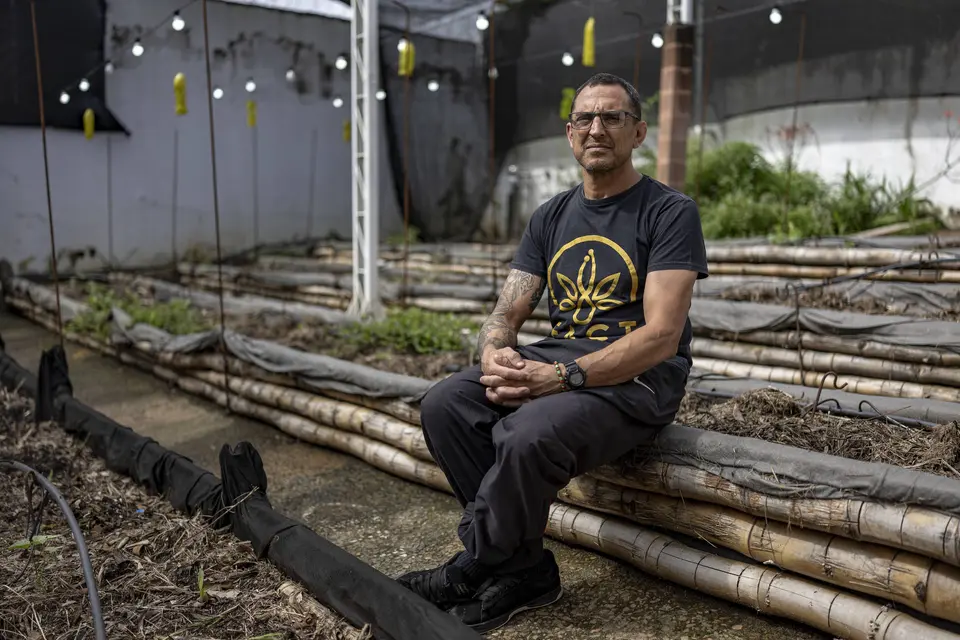
Police operations in São Paulo target medicinal cannabis associations with judicial authorisations
Medicinal cannabis associations have become the focus of investigations by São Paulo police in recent weeks, according to www1.folha.uol.com.br. Members of these organisations were arrested on suspicion of drug trafficking and thousands of plants cultivated with authorisation from the Federal Justice system were destroyed and incinerated.
These associations represent the main channel for access to medicinal cannabis in Brazil, particularly through cannabis oil and flowers. The Drug Law, approved in 2006, prohibits cultivation on national territory, but the courts can authorise it through preventive habeas corpus — a safeguard that, in theory, prevents the cultivator's arrest. In recent years, scientific studies have indicated that substances extracted from cannabis, such as CBD (cannabidiol) and THC (tetrahydrocannabinol), can be used in therapies for refractory epilepsy, Alzheimer's disease, chronic pain, anxiety, depression and sleep disorders.
The SSP (Public Security Department), under the administration of Tarcísio de Freitas (Republicans), stated in a note that "the operations were carried out following the identification of irregularities, even in light of the presentation of judicial documents related to medicinal cannabis cultivation".
Abec: 2,600 plants incinerated and couple held in custody
One of the most recent cases involved Abec (Brazilian Association for Cannabis Studies), which maintained 2,600 plants in Santana do Parnaíba and Atibaia, in the interior of São Paulo. On 10 September, officers from Dise (Drug Investigation Unit) arrested five employees of the organisation. Three were released at a custody hearing, but the couple Guilherme dos Santos and Heloisa Melo remain detained on suspicion of trafficking.
Abec has held authorisation from TRF-1 (Regional Federal Court of the 1st Region) since 2022 to grow and supply cannabis-based products to its approximately 15,000 associates, including the distribution of flowers in natura and oil. When the couple was arrested, police found 1 kg of flowers and 642 plants in various stages of growth.
Judge Djalma Moreira Gomes upheld the detention after pointing to evidence that the couple's activities "exceeded the scope of association membership, including spreadsheets, delivery protocols and service provision contracts with remuneration tied to production volume". The investigation also mentions that Guilherme dos Santos maintained contact with a man arrested a month earlier in Barueri with 3.4 kg of pressed cannabis.
Abec, for its part, states that the volume of plants and all material seized belonged to the association and that the couple had been hired for their experience in cultivation. "When the police arrived, they didn't even know it was an association. We showed them all the documents from Federal Justice, with final ruling, authorising us to grow and distribute flowers and oil. All our plants are catalogued and traceable. We follow all Anvisa standards and the court's decision," said Alexandre Machado, 48, president of Abec.
The defence counsel for the couple argue that they are merely acquaintances of the man arrested in Barueri, that they never commercialised cannabis between themselves and that the seized plants belonged entirely to Abec. The association's defence adds that the TRF-1 decision authorises the entity to outsource cultivation, hire employees and "enter into agreements, partnerships and contracts with public, private or mixed-economy companies". Abec maintains partnerships with Unicamp and UFABC to supply cannabis for academic research.
Osaci: directors from Itupeva held for 23 days
Another case involved the Osaci Association — Health Education and Culture, from Itupeva, in the interior of São Paulo state. In late August, three directors were arrested after the Military Police entered the premises. They remained in custody for 23 days on charges of trafficking before being released through habeas corpus granted by the SP Court of Justice (TJ-SP).
"The police said they had received a complaint because of the smell of the plants. They had no court warrant to enter. After insisting heavily, we let them in for inspection. Then we were taken to the police station," reported Denis Andrade Lopes, vice-president of Osaci, which began cultivation to produce oil intended for treating a son with autism.
The three association members hold individual authorisations to cultivate an average of one hundred plants each. Police, however, found more units than permitted: 571 plants were incinerated. The association's solicitor, Antônio Pinto Filho, argues that the excess plants belonged to the association and that the count included seedlings in small pots. According to him, all units were catalogued using a QR code system and were intended for oil production for patients with medical prescriptions, such as children with refractory epilepsy.
Since 2023, Osaci has had a process pending in Federal Justice requesting authorisation for cultivation and distribution. The request was denied in the first instance, and the association appealed to TRF-5, awaiting judgement. The solicitor describes the situation as a "context of lack of regulation and legal uncertainty" in which Osaci and other associations operate.
Conflict between judicial authorisations and police action
The situation of these entities exposes a central contradiction: on one hand, judicial decisions authorise the cultivation and therapeutic use of plant derivatives; on the other, the absence of sectoral regulation leaves association members vulnerable to police operations. The lack of regulation keeps the sector in a zone of conflict between what the courts authorise and what police prosecute as crime.
Source: Google News BR — São Paulo