PCC cell formalised in Chile: 19 charged with drug trafficking and organised crime
The Metropolitan South Prosecutor's Office formalised charges against 19 members of a cell of Primeiro Comando da Capital, Brazil's largest criminal gang, with nine in preventive detention.
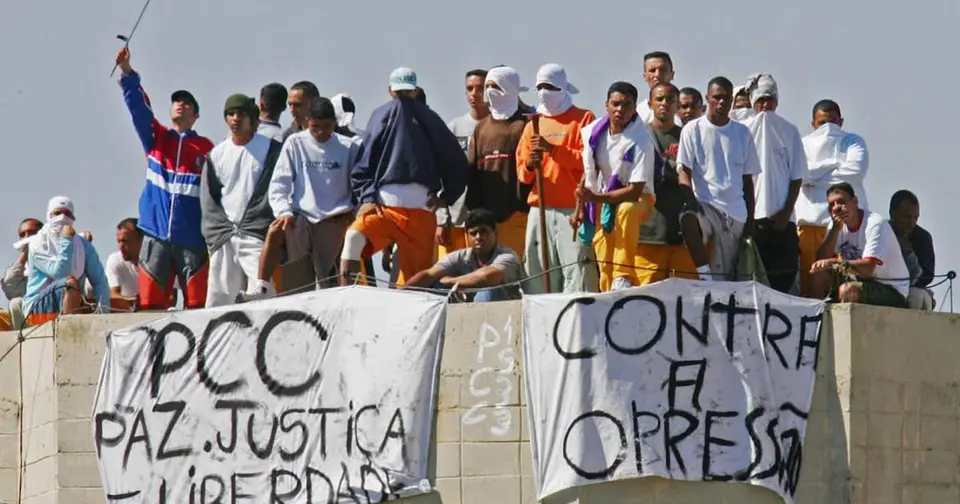
PCC arrival in Chile: 19 formalised following investigation with international cooperation
According to latercera.com, between 1 and 4 October, the Metropolitan South Regional Prosecutor's Office formalised charges of criminal association and illicit association for drug trafficking against 19 subjects who were members of a cell of Primeiro Comando da Capital (PCC), Brazil's largest criminal organisation and one of the most powerful on the continent. Nine defendants were placed in preventive detention; the other ten were already deprived of liberty by previous precautionary measures or convictions.
The hearing, which was confidential and concluded this Sunday, represents a milestone in the prosecution of organised crime in Chile.
Alert from the triple border region
The investigation, conducted by the Chilean Public Prosecutor's Office in conjunction with the Police of Investigation (PDI), began following international cooperation processes. Key evidence included information from the triple border zone between Paraguay, Brazil and Argentina, which indicated the presence of PCC members in Chilean territory. During the hearing against the 19 defendants, this information was corroborated with various evidence gathered in the case.
Until a year ago, although their presence in the country was known, there was no information about direct criminal activity by the gang in Chile. The 2025 Organised Crime Report in Chile, prepared by the Specialised Unit for Organised Crime and Drugs (UCOD) of the National Prosecutor's Office and published in October last year, identified 16 transnational criminal organisations operating in the country, but the PCC was not included in that list. The same report did acknowledge "organisations with links to Primeiro Comando da Capital and Comando Vermelho, both from Brazil, engaged in cocaine trafficking from Bolivia and Paraguay".
The PCC: structure, expansion and terrorist designation
The PCC was formed following a mutiny at the former Carandiru prison in São Paulo in October 1992, when a police intervention left 111 prisoners dead. From within the prisons, the organisation consolidated itself as one of the most powerful transnational criminal structures in the hemisphere, with confirmed presence in 27 countries, including Chile.
The gang operates with a statutory model that includes baptisms, membership cards, indoctrination and a register known as the "White Book". There is also a "Black Book" listing former members against whom death can be decreed. Its illicit markets—referred to internally as "sintonías"—encompass contraband, drug trafficking, homicides, violent robberies and kidnappings.
In May this year, the United States Department of State designated the PCC and its rival organisation, Comando Vermelho, as specially designated global terrorists (SDGT). "These Brazilian terrorist organisations represent a growing threat to peace and security around the world, and the Brazilian government urgently needs to take strong action to confront and defeat them before they spread and grow," stated the Donald Trump administration in a document sent by the White House to the United States Congress, disclosed in September. In Brazil, there is recognition of the possibility that the United States could use military forces in its territory to act against the gang.
Previous links with Chile and early warning signs
The first indications of connection between the PCC and Chilean criminals date back to 2022, when Carabineros submitted to the Prosecutor's Office one of the first reports detecting payment of memberships to the Brazilian organisation by local criminals for cover operations. Francisco Javier Rivera Galaz, alias "el Francis", a fugitive for the murder of carabinero Alejandro Ortiz—shot in Renca while working as a delivery driver—is believed to have been baptised by the PCC.
In March 2024, the Brazilian Prosecutor's Office confirmed the connection between the PCC and Chilean criminals after seizing mobile phones in São Paulo prisons. At that time, the director of the Specialised Unit for Organised Crime of the National Prosecutor's Office, Ignacio Castillo, confirmed that an investigation was being conducted in view of the possible presence and operational activity of the PCC in Chile.
The bioceanic corridor as a risk factor
The regional prosecutor of Antofagasta, Juan Castro Bekios—referred to in specialised circles as the Chilean "drug czar"—warned in June 2025, during a working session in Santiago with teams from the Prosecutor's Office, police and international agencies, that the PCC represents the principal structural threat to Chile.
"What should concern us is the PCC, because we are going to give it tremendous access through the bioceanic corridor, especially because of the influence it has in the triple border region and the phenomena occurring there: contraband, money laundering, drug sales, corruption, organised crime," said Castro Bekios. In May, in an interview with La Tercera, he had already warned that the road project connecting the Pacific Ocean with the Atlantic through Chile, Argentina, Paraguay and Brazil "could be the gateway for new criminal organisations if adequate measures are not taken".
Peru's former Interior Minister Rubén Vargas Céspedes had warned a year ago that the PCC and Comando Vermelho, gangs described as "more violent than Tren de Aragua", could potentially become established in Chile.
Chilean authorities value the early intervention
The Security Minister, Martín Arrau, acknowledged the seriousness of the situation when the dismantling of the cell became known. "Chile believed for many decades that we were immune, but our country is operated on by international organised crime," he declared.
The regional prosecutor of the Metropolitan South Prosecutor's Office, Héctor Barros, emphasised the importance of having acted before the organisation consolidated its foothold. "If we had waited five more years or had not noticed this earlier, we would have had a new scourge like what happened to us with Tren de Aragua," said Barros.
Source: Google News CL — Crime