Urda accident: leaked audio recordings point to Atocha technician in web of responsibilities
Audio recordings from Atocha control centre reveal an order from a technician for AVE 2080 to resume normal operations minutes before the collision in Urda that left at least 69 dead. Minister Puente places responsibility on operators.
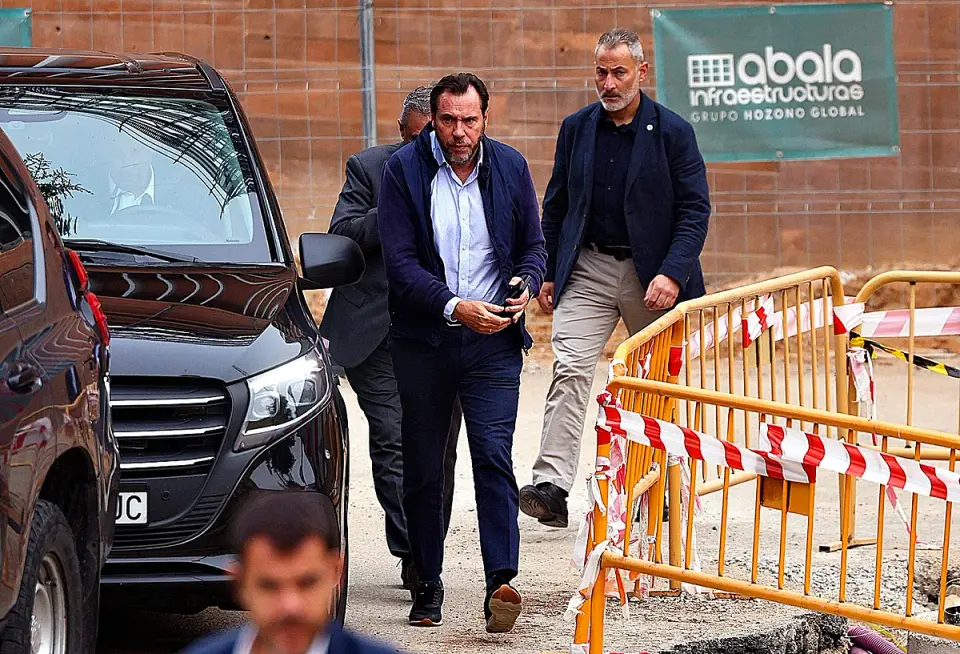
Atocha control centre under scrutiny following leak of communications
According to El Mundo, the release of recordings between operators at Atocha's Regulation and Control Centre (CRC) and train drivers made it possible to identify the technician who ordered AVE 2080 to resume normal operations after the LZB system failure, just hours after the Urda railway accident in Toledo. The controller, identified as Martín, issued the order at 08.36 on Tuesday. Minutes later, between 08.48 and 08.53, the fatal collision with Iryo train 6076 occurred.
In the audio recordings published by El País and Cadena Ser around 21.00, Martín consulted with colleagues on up to seven occasions before issuing the instruction. "Disconnect and reconnect the LZB and resume normal operations," he orders using a numerical identification system. The AVE driver appeared to note down each instruction whilst the controller reached agreement on the procedure with at least two other colleagues present on the shift.
The Minister for Transport, Óscar Puente, held a press conference just over 14 hours after the accident. During a 23-minute press briefing, he emphasised that "it is the centre, through its operators, that takes the decision to resume operations in inexplicable circumstances" and that "they had more than enough time to identify the error and they did not resolve it". Puente explained that he had reviewed "audio documentation of communications between the control centre and the damaged train" before his intervention with the media.
The contrast with his handling of previous accidents was notable. Following the Adamuz incident in 2025, which claimed 46 lives, Puente answered questions for one hour and 50 minutes. On this occasion, his appearance was substantially shorter and distributed responsibility more directly towards the operators.
The Civil Guard questioned controller Martín and all members of the shift at Atocha during the day. According to the audio recordings, there were at least three people in the CRC coordinating communications with six trains stopped in the affected section. The procedure included an initial consultation by the controller with his colleagues: "Shall I disconnect it? BSL, isn't it? In one go. Right, okay". At 08.41, Martín repeated the formula with the Iryo train, which responded by communicating that it could not resume the system and would remain stationary.
The publication of the audio recordings coincided with the decision by the investigating judge of the Court of First Instance of Orgaz (Toledo) to issue a court order imposing confidentiality on the case. This temporal overlap between procedural measures and the leak of relevant material sparked speculation about the timing of the release.
The most recent precedent for a media leak of comparable scope was the one affecting former Attorney General Álvaro García Ortiz, who was disqualified for the disclosure of secrets relating to Alberto González Amador, partner of Isabel Díaz Ayuso. Oversight bodies and prosecutors then pointed to serious breaches of procedural confidentiality.
Following the release of the audio recordings, controller Martín was considering taking legal action against Adif, the public entity attached to the Ministry of Transport. Vox and the Manos Limpias organisation had already filed complaints against Adif. Santiago Abascal's party added another complaint to the Supreme Court directed directly against Minister Puente.
The public identification of the controller prompted a unified union response. Comisiones Obreras (CCOO) and the Independent Confederation of Civil Servants (CSIF) called for Puente's dismissal and criticised the fact that he had placed the "weakest link in the chain" at the centre of suspicion. Both unions questioned the attribution of individual responsibility in a context of previous systemic failures that had not been publicly addressed by the administration.
The ministry issued no further statement on the internal coordination of the CRC or on the validation procedures that the control system should have applied before authorising changes to speed restrictions.
Source: El Mundo