European fund fraud: Public Prosecutor accuses 13 defendants and seeks recovery of 16 million euros
The Public Prosecutor's Office has accused seven individuals and six companies of 44 counts of fraud involving European agricultural funds, with proceeds exceeding 16 million euros.
Thirteen defendants accused of misappropriating FEADER and PRODER funds between 2011 and 2015
The Public Prosecutor's Office has accused thirteen defendants — seven individuals and six companies — of 44 counts of fraud in the obtaining of European subsidies and one count of money laundering, according to dn.pt. The scheme is alleged to have generated proceeds exceeding 16 million euros.
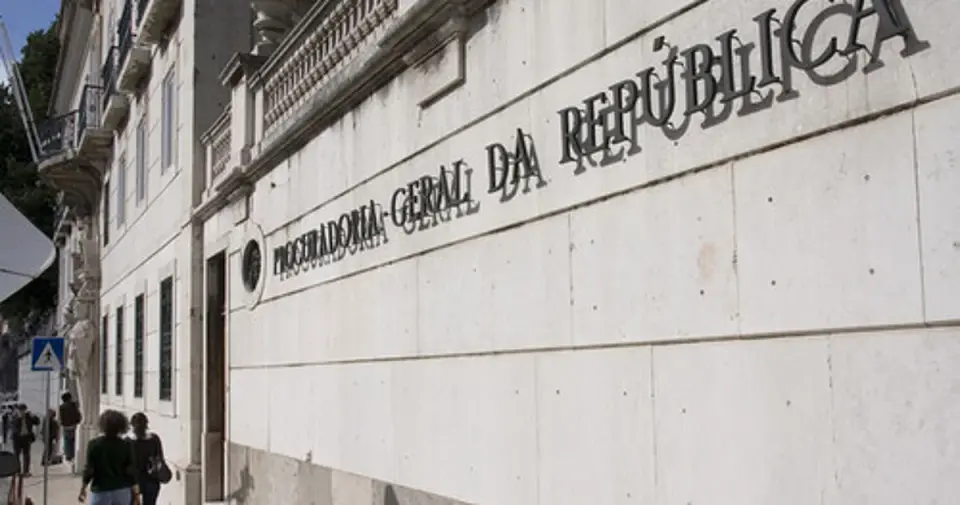
The prosecution case, brought for trial before a collective court, was announced in a note published on the official page of the Procuradoria-Geral da República. The Public Prosecutor's Office has also requested, as an accessory penalty for the individual defendants, deprivation of the right to subsidies or subventions granted by public entities or services.
Asset recovery was sought in the total amount of 16,023,938.69 euros, in respect of direct benefits, interest on profits obtained through reinvestment, and the value of direct patrimonial advantage obtained. This sum corresponds to the positive balance generated through the provisioning of personal bank accounts with part of the amounts paid by the Agricultural and Fisheries Financing Institute (IFAP).
Applications with false invoices and inflated expenses
According to the prosecution, between 2011 and 2015 the defendants devised and executed a plan to misappropriate substantial sums from the European Agricultural Fund for Rural Development (FEADER) and the Rural Development Programme within the framework of Forest and Agroforestry Area Management (PRODER).
The mechanism consisted of submitting applications with inflated expenses, supported by false invoices issued by companies controlled by the defendants themselves, sometimes referring to services never provided, in order to obtain subsidies in amounts exceeding the actual expenses.
When questioned by the IFAP, the defendants resorted to invoices from subcontracted entities with no actual business activity, which issued documents for services not provided. They also presented invoices with dates subsequent to the date when the work had been invoiced by the companies, or invoices whose services and quantities had already been used in other operations and previous payment requests, the Public Prosecutor's Office detailed.
Bank transfers to conceal the origin of funds
The defendants are also alleged to have devised a financial scheme intended to conceal the criminal origin of the funds and give them an appearance of legitimacy. The method included successive bank transfers and the return of part of the invoiced amount to other defendants and companies — amounts which they then appropriated.
Based on this alleged fraudulent scheme, projects were financed in several areas of the country, including Grândola, Santiago do Cacém, Ponte de Sor, Abrantes, Avis and Odemira.
The investigation was carried out by the Regional Department for Investigation and Criminal Action (DIAP) of Évora, in collaboration with the Judiciary Police. The deadline for defendants to request the opening of the instruction phase is currently running, a procedural stage aimed at preventing the case from being sent for trial.
Source: Google News PT — Crime (pt)